
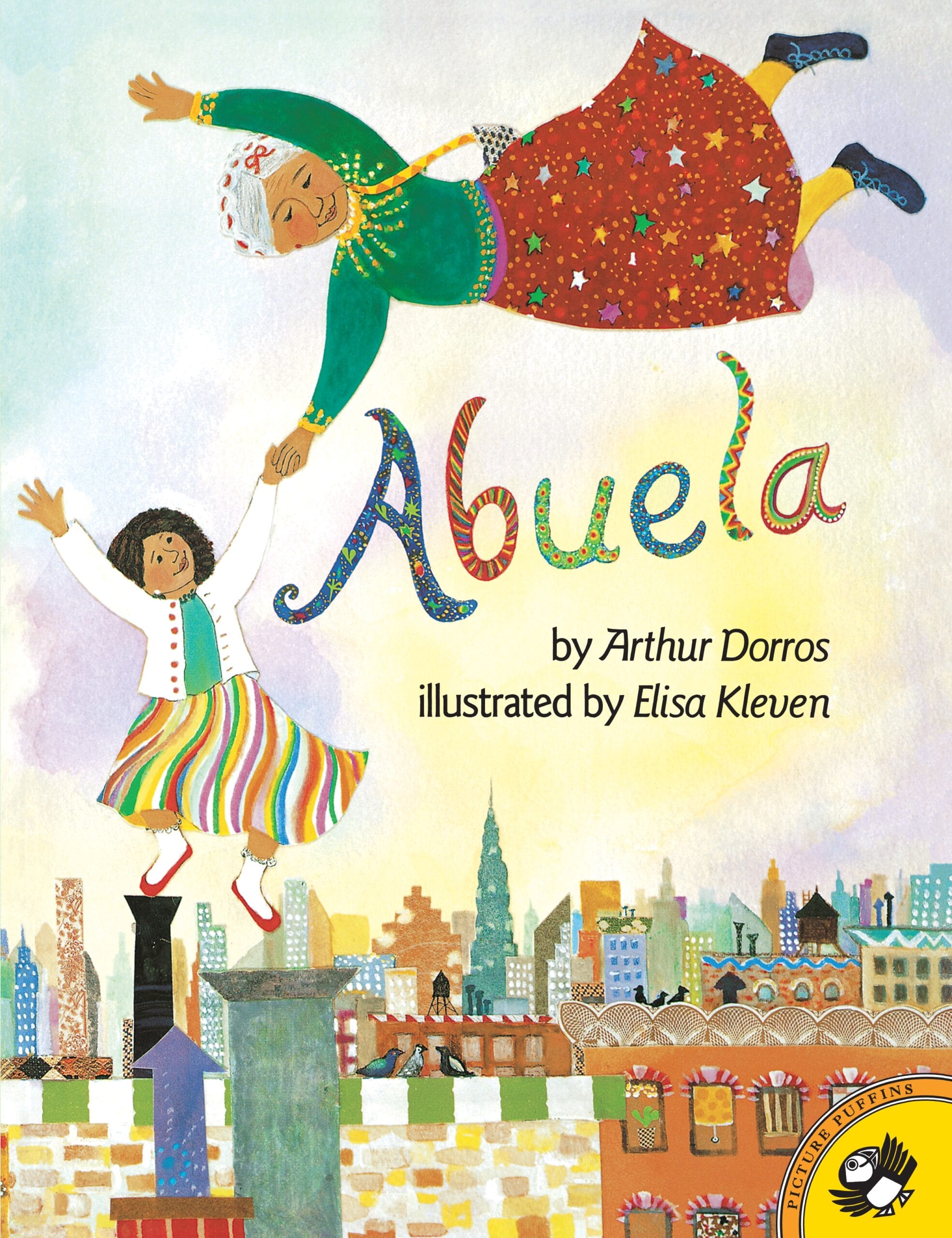
Abuela
Author: Arthur Dorros
Illustrator: Elisa Kleven
A Book Bridges Activity Guide created by
Betsy Marquez Robles
Washburn University Education Major
About Book Bridges
Books can open the door to conversation, play, discovery, and learning. Book Bridges helps families extend shared reading through questions and hands-on activities that connect stories to language, science, math, art, and everyday life.
Book Bridges is a collaboration between Literacy Bridges and the Washburn University Department of Education. Undergraduate students preparing to become licensed educators at Washburn create these guides using books from the Dolly Parton Imagination Library collection.
Summary of Abuela
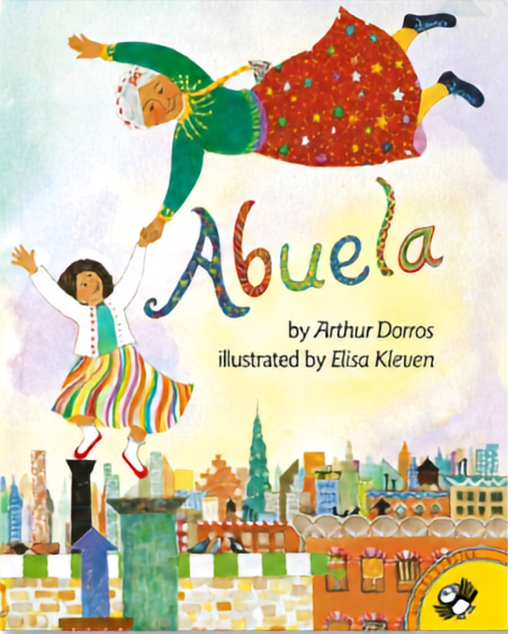
Abuela is about a young girl named Rosalba who spends the day with her grandmother in the city.
As they walk around the city, what starts as a normal day begins to feel like a fun adventure. Rosalba can see the world in a new way while her Abuela teaches her Spanish words and shares parts of her culture.
The story shows their close relationship and how spending time with family can make ordinary moments feel special.
Read Abuela Together
Abuela is available in two versions: an English edition that weaves in Spanish words and explains their meanings within the story, and a full Spanish edition. Both are available as read-alouds below. Pick the one that fits your family, or listen to both.
About the Author & Illustrator
Arthur Dorros is known for writing children’s books that celebrate family, culture, and language. In Abuela, he includes both English and Spanish to make the story feel warm and authentic.
Elisa Kleven created the bright illustrations that helped bring Rosalba’s adventure to life. Families can learn more by visiting the author’s or illustrator’s websites online.
Questions to Ask Before, During, and After Reading
Talking about a story before, during, and after reading helps children think deeply, connect to the characters,
and build a love of reading that lasts a lifetime.
Before Reading
- What kinds of adventures do you like to have with family members?
- Looking at the book cover, what do you think might happen in this story and why?
During Reading
- Why do you think Rosalba imagines flying with her Abuela?
- Why do you think the author included Spanish words in the story?
After Reading
- What does this story teach us about the importance of family relationships?
- Do you think their flying was real or imagined? What makes you think that?

Extending the Book
The story doesn’t have to end when the book closes. These activities give you and your child somewhere to take it next, using materials you already have at home.
Since Abuela is a fictional story about family, language, and the relationship between a grandchild and grandmother, a great companion book is Mango, Abuela, and Me by Meg Medina. This story also focuses on the special bond between a child and a grandmother while exploring communication and learning each other’s language together. Families can compare how both grandmothers show love and support in different ways.
Talk About These Questions
- How are the grandmothers alike and different?
- How do both children learn from their grandmothers?
- Why is language important in both stories?
Mango, Abuela, and Me is also available on YouTube as a read-aloud, making it easy to enjoy together at home.
Families can listen to the story, pause to discuss important parts, and compare it to Abuela.
Materials needed: paper and pencil/pen/crayons
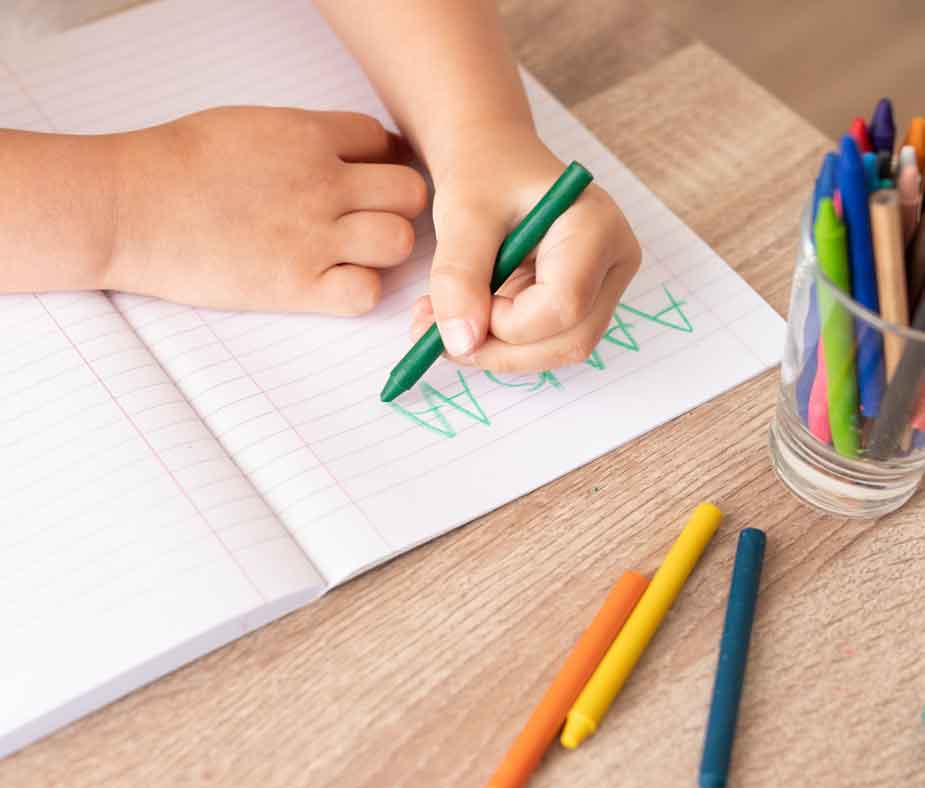
Have your child imagine they are going on a flying adventure with a family member.
Ask them to write 3-5 sentences about where they would go, what they would see, and how they would feel.
Sentence Starters to Try:
- I would fly to…
- I would see…
- I would feel…
Materials needed: Paper and pencil, pen, or crayon.
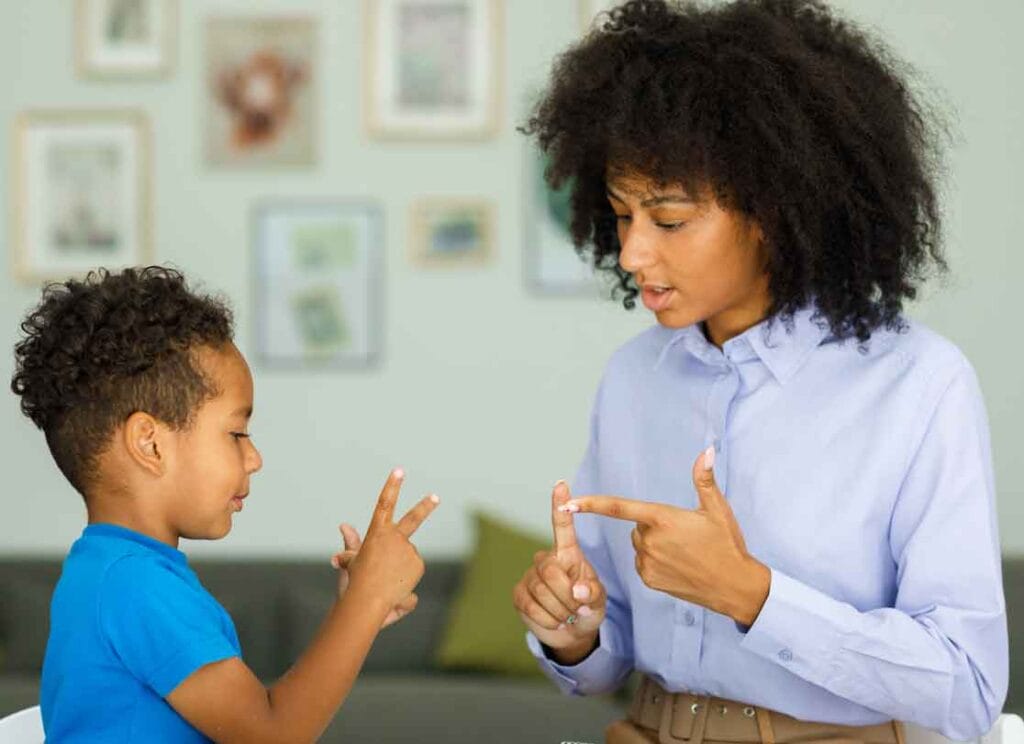
Using the city theme from the book, your child can practice counting and problem-solving.
Look through the pictures in the book and count objects such as birds, windows, cars, trees, or buildings.
Then create math problems together:
Try These Math Problems
- If there are 6 birds and 2 more join them, how many birds are there?
- If Rosalba sees 10 open windows and 3 are closed, how many are left?
You can also sort objects by shape, such as rectangles for buildings or circles for wheels.
Encourage your child to write number sentences for the problems that you created together.
Materials needed: paper and pencil/pen/crayons.
The story focuses on flying, so families can explore the science of flight. Begin by asking: How do birds and airplanes stay in the air? Explain to your child that birds flap their wings while airplanes use engines and shaped wings to lift into the sky.
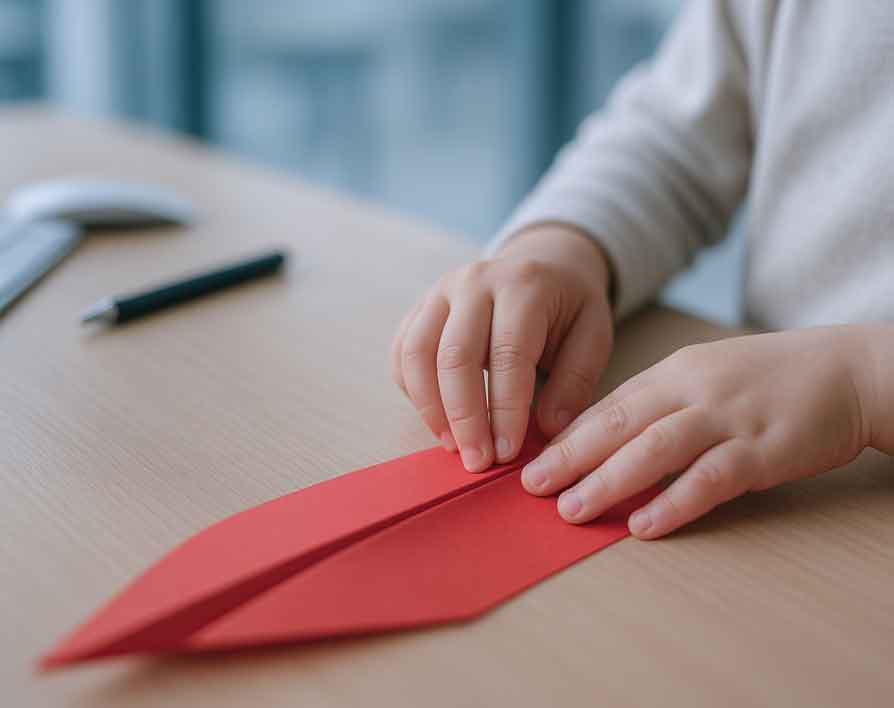
Steps
- Make 2 or 3 paper airplanes using different folds or sizes.
- Have your child write down their prediction of which airplane will fly the farthest and why.
- Test each airplane three times to make sure you can see patterns in the airplane flights.
- Go outside and watch real birds.
- Observe what happens and write down your observations. Does one fly straight? Does one fall quickly?
Look, compare, and learn!
Both birds and airplanes fly in amazing ways. What can we learn from nature to help us build better airplanes?
Materials needed: paper and pencil/pen/crayons.
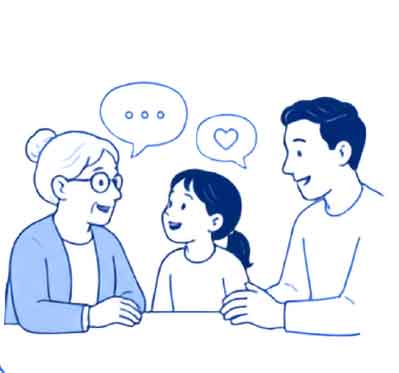
Family Heritage Interview
A Family Heritage Interview would be a great activity to connect with the themes of family, culture, and traditions in Abuela.
The story shows how Rosalba learns from her grandmother, so children can learn from their own family members too.
Steps
- Help your child choose a family member to interview.
- Help your child practice asking questions for the interview.
- Possible Questions
- What games did you play when you were little?
- What foods did your family cook?
- What language did you speak at home?
- What traditions did your family celebrate?
- Possible Questions
- Help your child draw or write the answers on paper. You can also record the responses if your child needs assistance.
Materials needed: paper and pencil/pen/crayons.
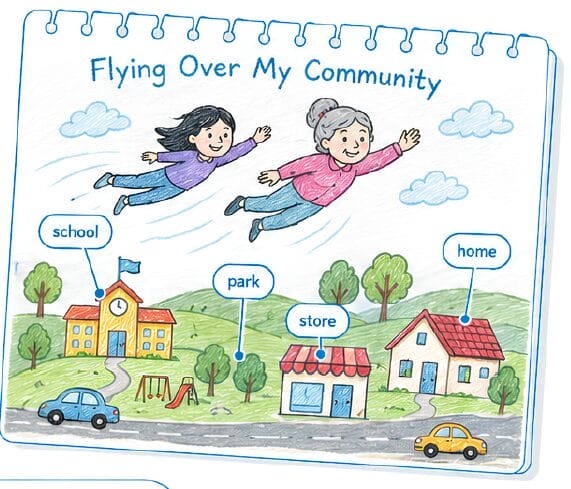
Flying Over My Community
Create a “Flying Over My Community” drawing using simple materials most families already have at home.
This activity connects to Rosalba imagining she is flying high above the city with her grandmother.
Steps
- Talk about what Rosalba saw while flying over the city in Abuela. Talk about buildings, streets, parked cars, and people.
- Include important places, such as their house, school, park, store, or playground.
- Draw a child and a family member flying above the neighborhood like Rosalba and Abuela.

Get More from Literacy Bridges
Want more ideas like these? The Literacy Bridges newsletter brings research-based literacy resources straight to your inbox.