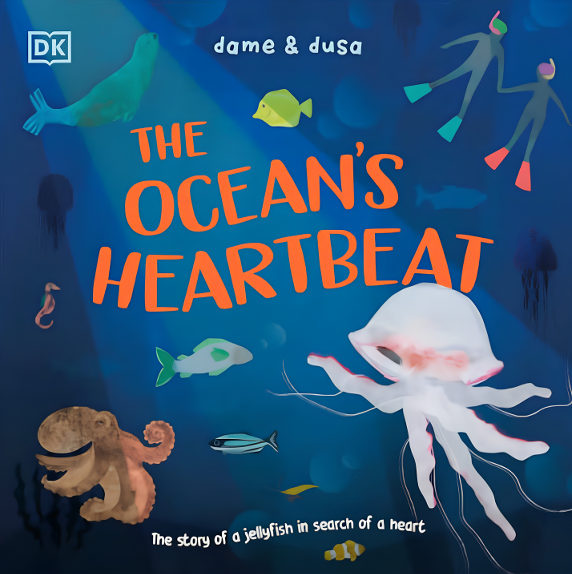
The Ocean’s Heartbeat: The Story of a Jellyfish in Search of a Heart
Author & Illustrator: Dame & Dusa
A Book Bridges Activity Guide created by
Maddie McGee
Washburn University Education Major
About Book Bridges
Books can open the door to conversation, play, discovery, and learning. Book Bridges helps families extend shared reading through questions and hands-on activities that connect stories to language, science, math, art, and everyday life.
Book Bridges is a collaboration between Literacy Bridges and the Washburn University Department of Education. Undergraduate students preparing to become licensed educators at Washburn create these guides using books from the Dolly Parton Imagination Library collection.
Summary of The Ocean’s Heartbeat
Deep beneath the sea, a little jellyfish hears a mysterious “thoomp” in the distance. A wise fish explains that the sound is a heartbeat. The jellyfish soon realizes that she doesn’t have a heart of her own.
She sets out to discover why. Along the way, she meets other sea creatures and learns about the features that make each one different. Her search becomes a journey about what makes every creature unique.
About the Author & Illustrator
Dame and Dusa is an Austrian creative group made up of five designers and architects who work together to create children’s literature. The group uses art, storytelling, and educational approaches to introduce children to nature and marine life.
Questions to Ask Before, During, and After Reading
Talking about a story before, during, and after reading helps children think deeply, connect to the characters,
and build a love of reading that lasts a lifetime.
Before Reading
- What animals can you see on the cover? Where do you think they live?
- Who do you think is the main character? What makes you think that?
During Reading
- How do you think the jellyfish feels about not having a heart? Why?
- Why do you think the animals have different “thoomp” sounds?
After Reading
- How does the jellyfish feel after finding the “thoomp” she was searching for? Why?
- What makes the creatures in the story unique?
- Why is it important to learn about the features that make each of us unique?

Extending the Book
The story doesn’t have to end when the book closes. These activities give you and your child somewhere to take it next, using materials you already have at home.
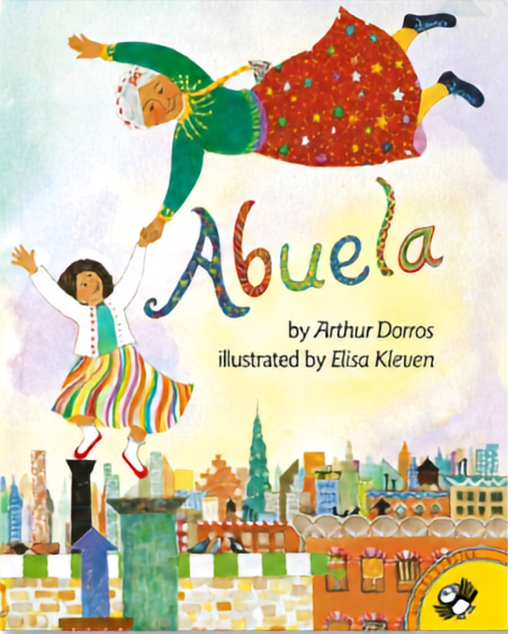
Materials needed: Jellyfish: Ocean Life Up Close by Christina Leaf, If You See a Jellyfish by Sandi M. Hobbs, or another age-appropriate informational resource about jellyfish.
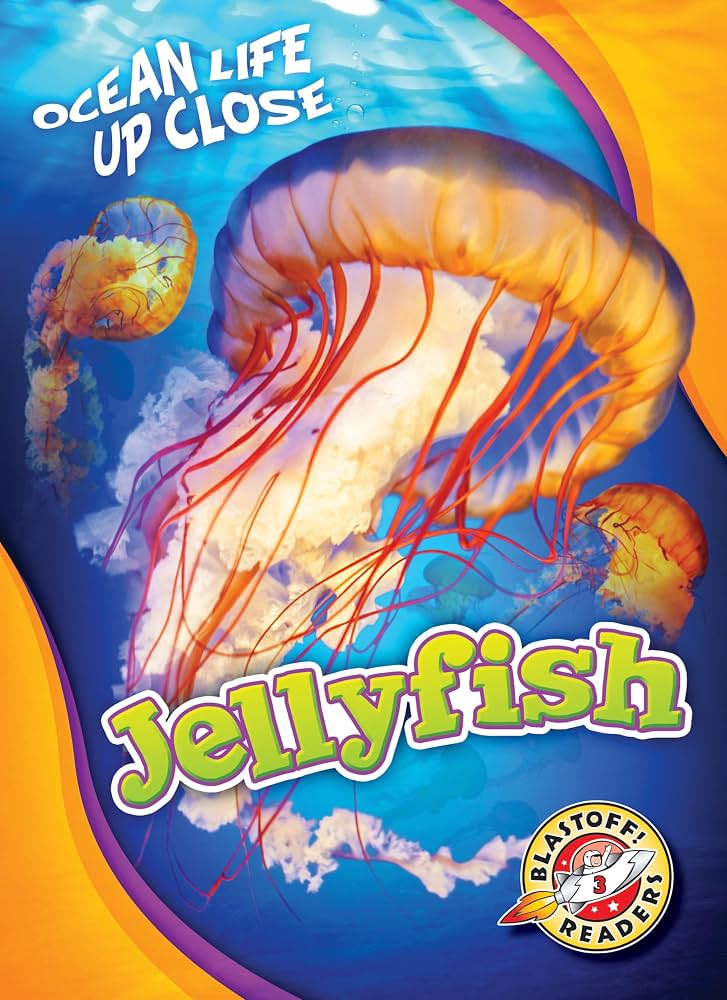
Jellyfish: Ocean Life Up Close by Christina Leaf
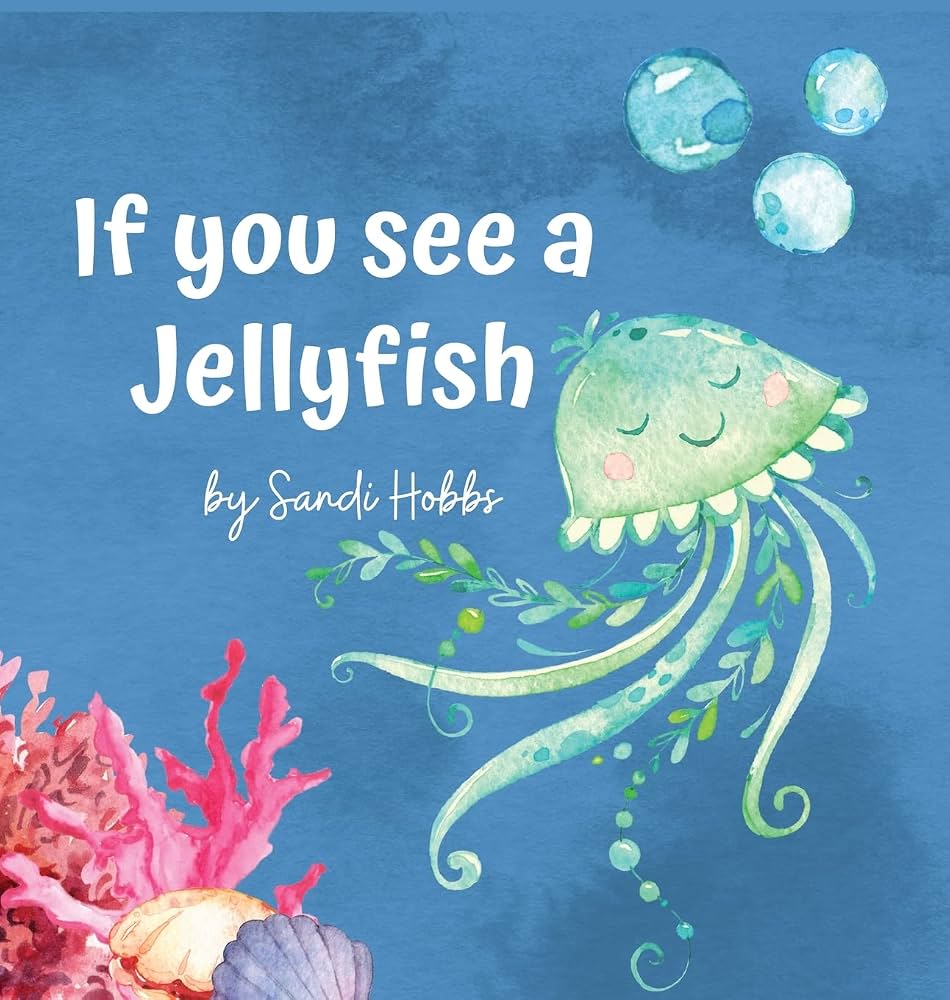
If You See a Jellyfish by Sandi Hobbs
Continue learning about jellyfish, then compare what you discover about real jellyfish with the character in The Ocean’s Heartbeat.
Talk About What You Learn:
- What did you learn about jellyfish?
- Why do jellyfish not need a heart?
- How is a real jellyfish similar to the jellyfish in the story?
Watch and Learn More: Search together for an informational, kid-friendly video about jellyfish.
Write a letter to a jellyfish

Write a friendly letter to the jellyfish about her search for a heart and what it means to be unique.
Steps / Hands-on Activity:
- Begin your letter with a greeting.
- Tell the jellyfish how her journey made you feel.
- Share something that makes you unique.
- Add a closing and your signature.
- Read your letter to someone in your family.
Parts of a Friendly Letter: Greeting, Body, Closing, Signature
Need a reminder?
Watch a short video about the parts of a letter!
Count Your Heartbeats
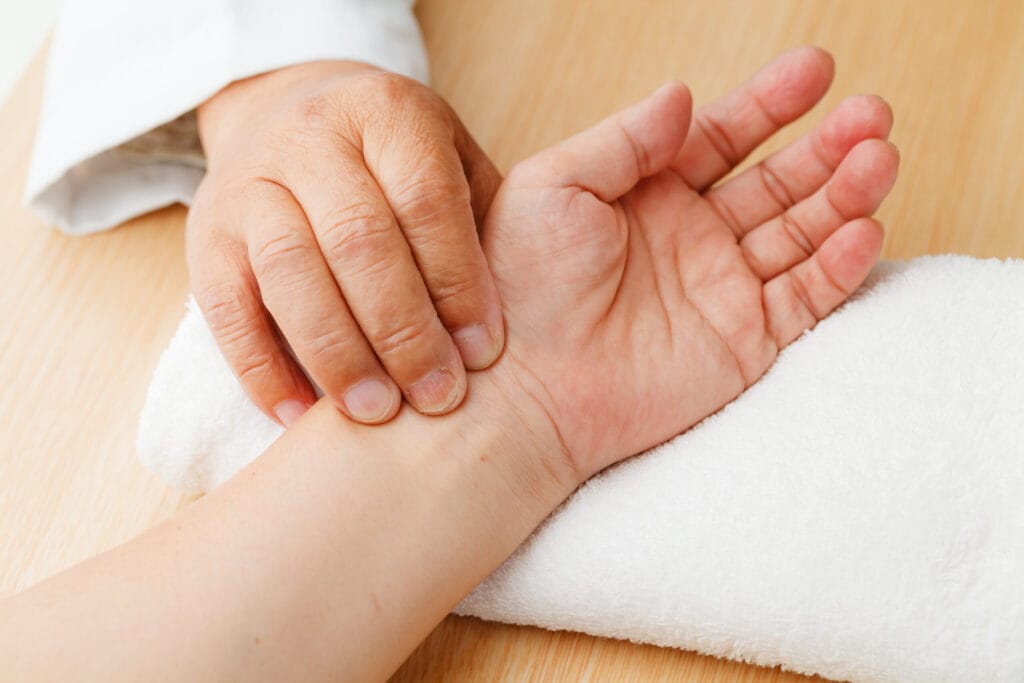
Materials needed: A timer, paper, and something to write with.
With an adult, count a resting heartbeat for one minute and compare the results for two people.
Steps / Hands-on Activity:
- Sit quietly for a few minutes.
- Ask an adult to help locate your pulse at the wrist.
- Use a timer and count the beats for one minute.
- Record the number of beats.
- Compare your result with another person.
Record Your Results:
- My count: _____ beats in one minute
- Another person’s count: _____ beats in one minute
- Difference: _____ beats
Think and Talk:
- Which number is greater?
- How many beats apart are they?
- What might make a heartbeat speed up or slow down?
This is a counting activity, not a health test. Stop if anyone feels uncomfortable.
Compare a healthy ocean with a polluted ocean
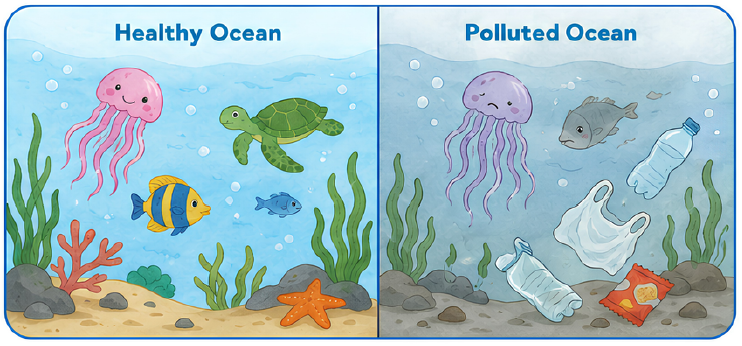
Materials Needed: Paper, pencils, crayons, or markers.
Steps / Hands-on Activity:
- Draw a healthy ocean habitat with animals, plants, rocks, and clean water.
- On a second sheet, draw things that can pollute the ocean, like plastic bottles or food wrappers.
- Compare the two pictures.
- Talk about how pollution could affect the animals and their home.
Talk About It:
- What animals are in your picture?
- What can make ocean animals sick?
- How could trash affect the animals or their habitat?
- How can we help reduce pollution?

Find the Oceans of the Earth
Oceans cover much of Earth and connect different parts of the world. Explore the world’s oceans and think about where the marine animals from the story might live.
Materials needed: Your copy of The Ocean’s Heartbeat, pencils, coloring markers.
Steps
- Find the ocean areas on the world map in the appendix. Use the map on the last pages.
- Color the oceans blue. Leave the land uncolored.
- Choose several animals from the story. Think about where they might live.
- Place or draw each animal in an ocean area. You can mark more than one place!
- Talk about how ocean habitats are connected. Water moves around the world!
Discuss With Your Child:
- Why do marine animals need water to survive?
- Where might the animals from the book live?
- How are oceans connected even when they have different names?
- Why is protecting oceans a shared responsibility?
Did You Know?
Oceans cover more than 70% of Earth. They help provide food, clean air, and a home for many animals.
Create an Ocean Scene inspired by The Ocean’s Heartbeat

Materials needed: Paper, coloring supplies, scissors, and the sea-animal outlines from the Book Bridges guide or your own drawings.
Steps / Hands-on Activity:
- Draw an ocean background. Include water, seaweed, rocks, bubbles, and more!
- Color the sea animals. Use the outlines in the appendix or draw your own!
- Ask an adult to help cut out the animals safely. Leave the pieces loose so you can move them!
- Place the animals in your ocean scene and move them around! Have fun exploring your ocean.
Art Tips:
- Use bright colors to bring your ocean to life.
- Add lots of details to your background.
- Be creative with how you place your animals.
- Give your ocean scene a title. Add your name and the date!

Get More from Literacy Bridges
Want more ideas like these? The Literacy Bridges newsletter brings research-based literacy resources straight to your inbox.