

How We Say I Love You
Author: Nicole Chen
Illustrator: Lenny Wen
A Book Bridges Activity Guide created by
Caroline Chiddix
Washburn University Education Major
About Book Bridges
Books can open the door to conversation, play, discovery, and learning. Book Bridges helps families extend shared reading through questions and hands-on activities that connect stories to language, science, math, art, and everyday life.
Book Bridges is a collaboration between Literacy Bridges and the Washburn University Department of Education. Undergraduate students preparing to become licensed educators at Washburn create these guides using books from the Dolly Parton Imagination Library collection.
Summary of How We Say I Love You
Hana’s family doesn’t often say the words “I love you.” Instead, family members show how much they care through the things they do for one another.
How We Say I Love You follows Hana as she notices love in everyday family life. The story invites children and adults to think about all the ways people can communicate love without saying it aloud.
Read How We Say I Love You Together
An English read-aloud of How We Say I Love You is available on YouTube.
About the Author & Illustrator
Nicole Chen is a Taiwanese American author living in California. Her stories draw inspiration from her multilingual home.
Lenny Wen is a children’s book author and illustrator from Indonesia who has worked on and written a variety of children’s books.
Questions to Ask Before, During, and After Reading
Talking about a story before, during, and after reading helps children think deeply, connect to the characters,
and build a love of reading that lasts a lifetime.
Before Reading
- Who do you think all the people on the cover are?
- How do you think all the people in this book say, “I love you”? Do you think it’s the same way we say it? Why?
During Reading
- Are there any foods or meals that make you feel loved and happy?
- What do you do during your nighttime routine? Is it the same as Hana’s?
After Reading
- What are some things our family does to show love without saying it?
- How do you show other people you love them without saying it?
- How do different people in our family show love?

Extending the Book
The story doesn’t have to end when the book closes. These activities give you and your child somewhere to take it next, using materials you already have at home.
Materials needed: One or more of the suggested books below
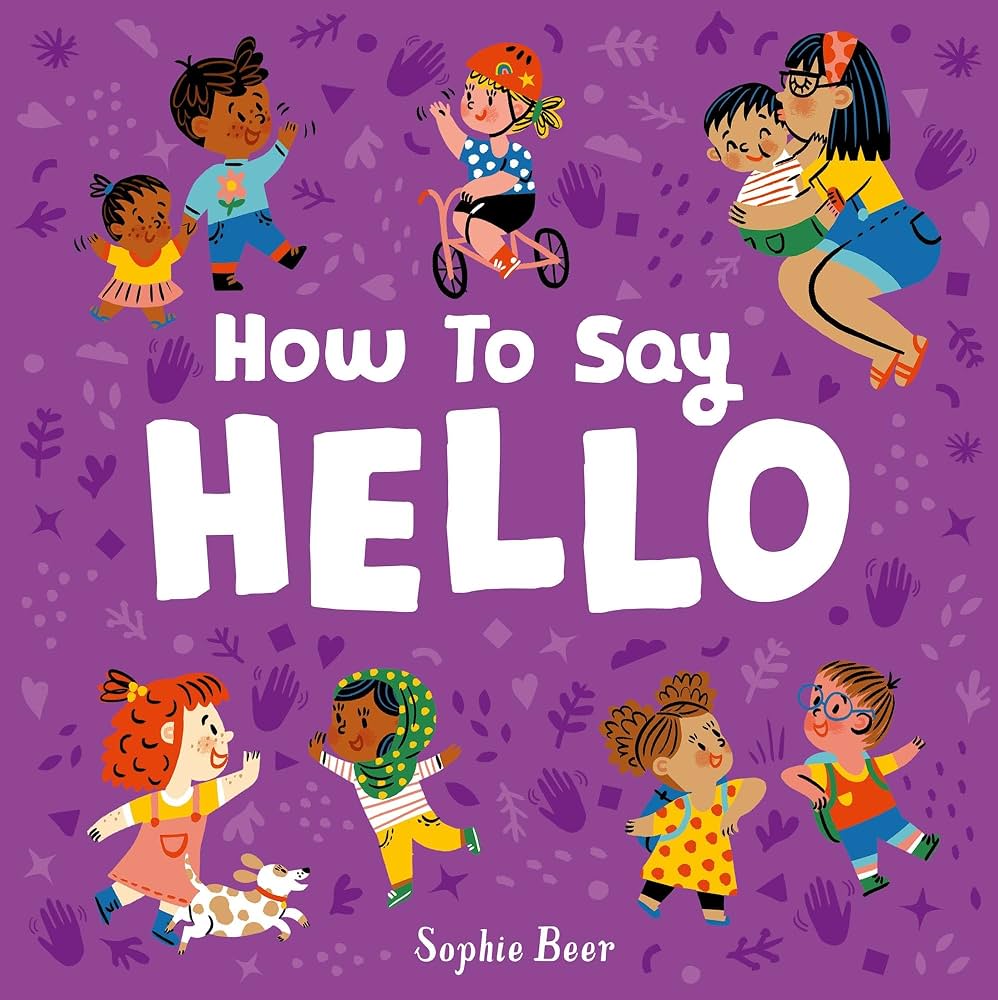
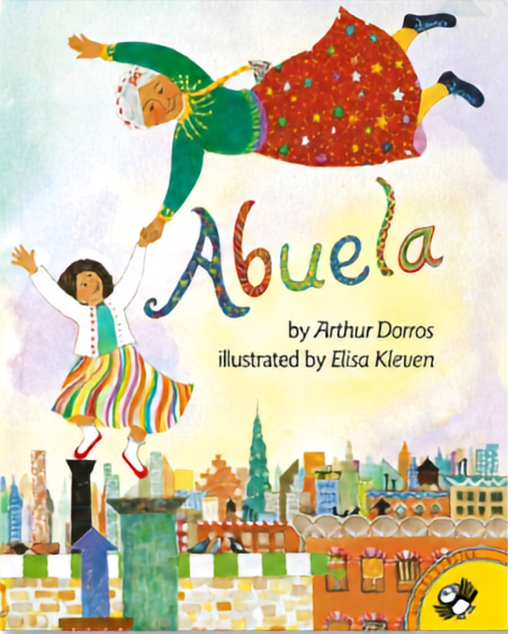
How to Say Hello by Sophie Beer
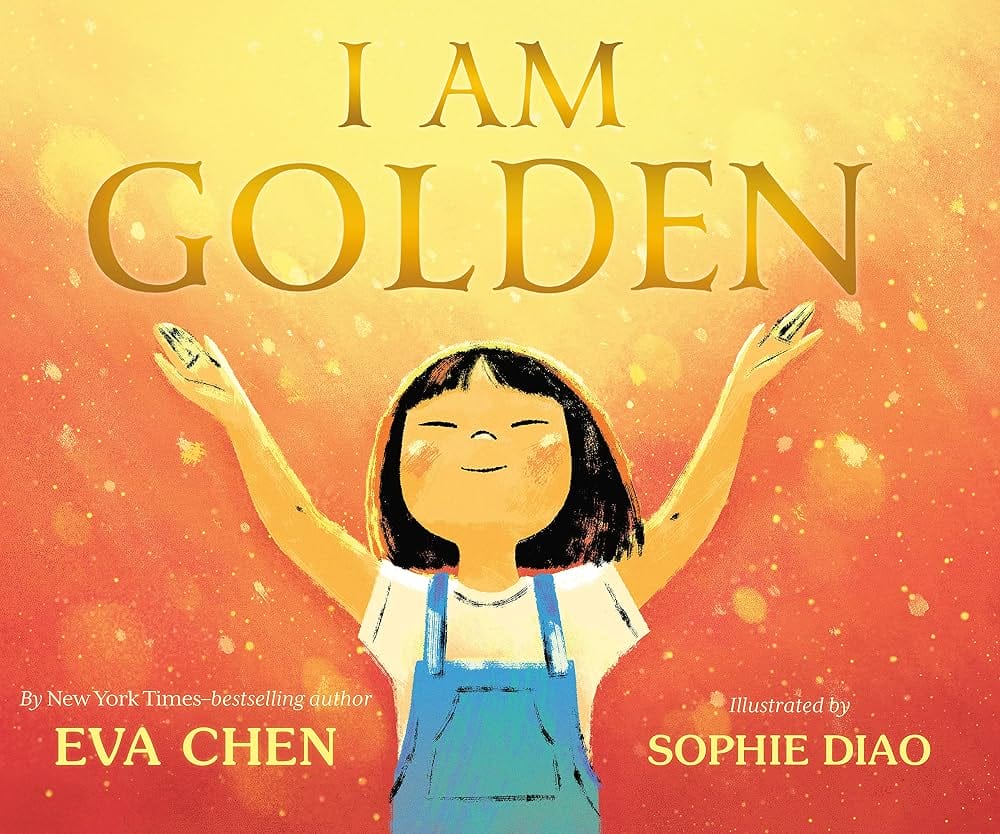
I am Golden by Eva Chen
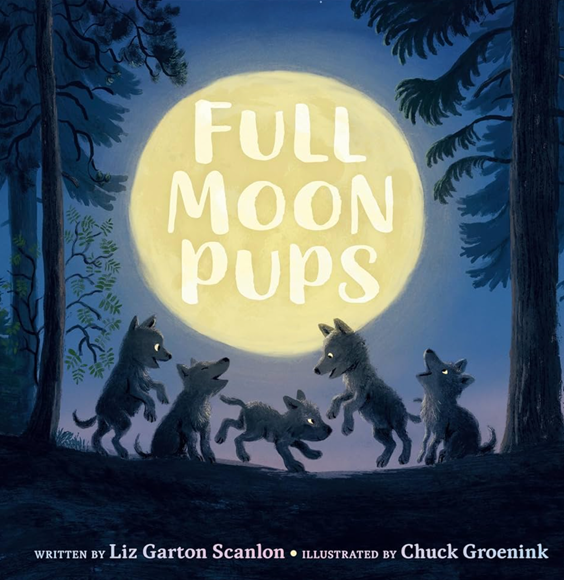
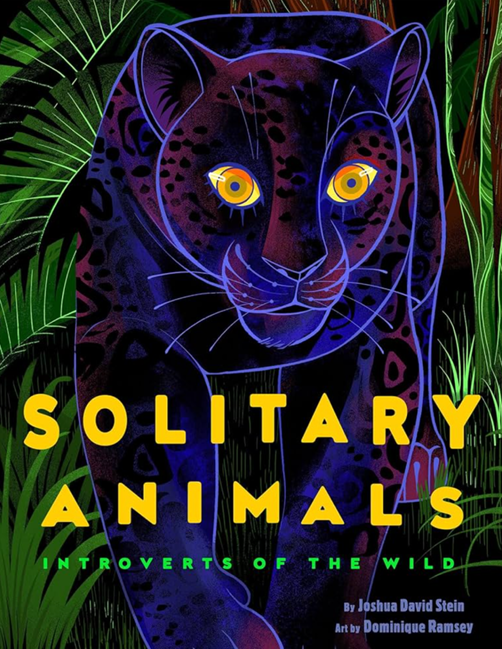
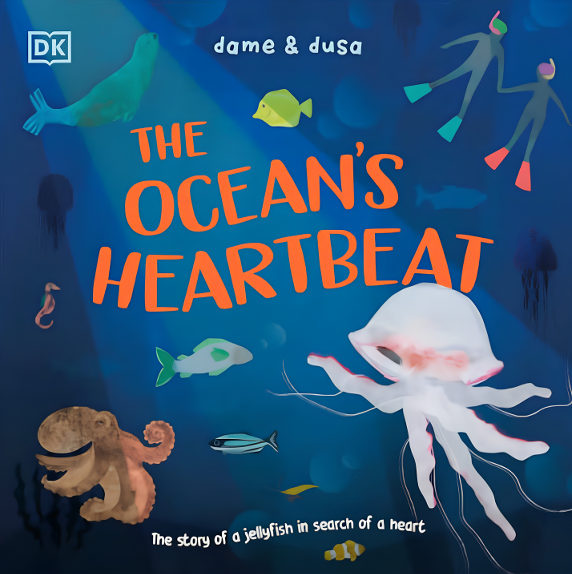
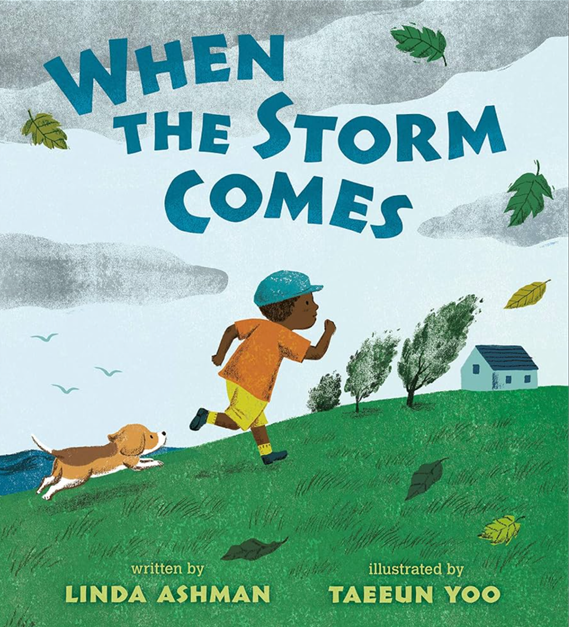
More Books to Explore
More great books that celebrate Asian American stories, culture, and achievements.
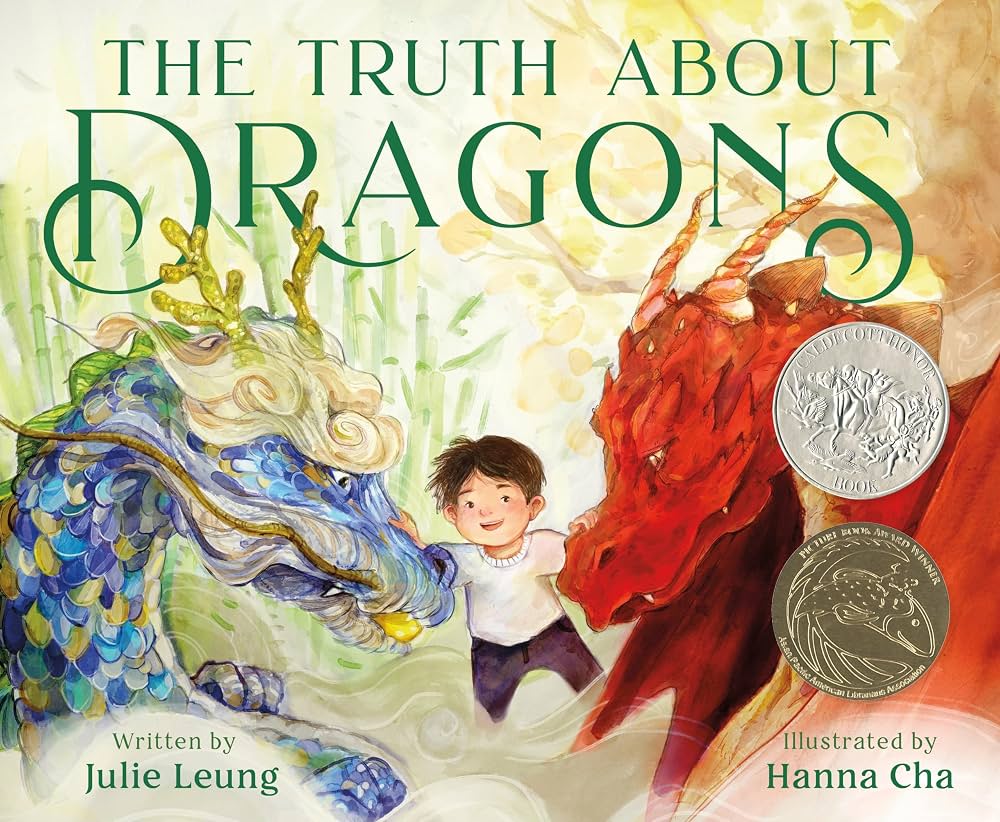

Talk About These Questions
- What are some ways these stories celebrate families and culture?
- How are these books similar to How We Say I Love You?
- How do they show identity, belonging, or love in different ways?
Retell the Story
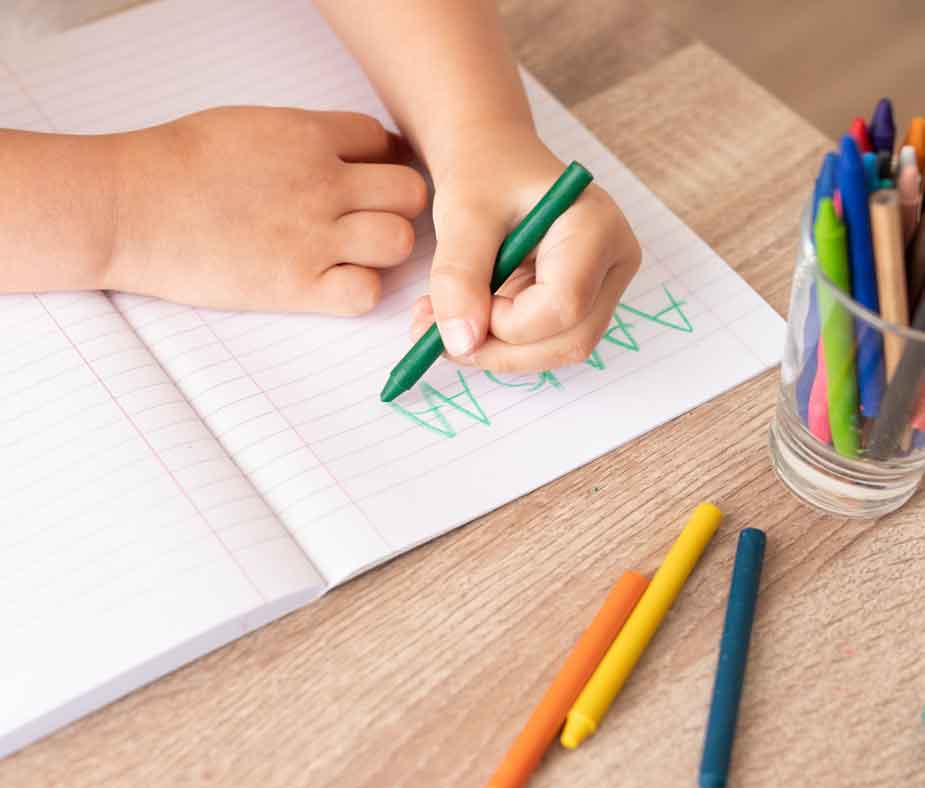
Materials needed: Paper and drawing or writing supplies.
After reading How We Say I Love You, have your child retell the story and draw pictures to match the parts they remember.
Steps
- Retell the story. Ask your child to tell you what happened in the beginning, middle, and end.
- Draw pictures. Have your child draw pictures to match each part of their retelling.
- Label the pictures. Ask who or what is in each picture and help them write the names or labels.
- Write about the pictures. If your child is ready, have them write a word or sentence about what is happening.
Encourage your child to add as much detail as possible. Celebrate their ideas and efforts!

Materials needed: Blocks or LEGO bricks, a ball, and a whiteboard or paper and something to write with.
Use blocks or LEGO bricks and a ball to practice counting, comparing amounts, and simple addition.
Steps
- Set up two groups of blocks or LEGO bricks. Place two groups on either side. Start with a small space between each block if your child is just learning to count. As they grow, place the blocks close together.
- Ask questions. Try questions like: “Which side has 4 blocks?” or “Which side has more?”
- Score a goal! When your child finds the correct side, have them roll or kick the ball toward the blocks to score a goal.
- Add up. When your child is ready, try addition questions like “3 + 2 = ?” or “2 + 4 = ?”
- Write number sentences. Write the number sentence together on a whiteboard or paper.
Example Questions
- Which side has 4 blocks?
- Which side has more?
- How many blocks in all?
- 3 + 2 = ?
- 5 + 1 = ?
- 2 + 3 = ?

Exploring Friction

Materials needed: A clean, dry plastic bottle; uncooked rice; and a pencil with an eraser or a chopstick with a blunt end. Optional materials include a funnel, different sizes of plastic bottles, and different types of rice.
Explore how tightly packed rice can create enough friction to help lift a bottle with a pencil or chopstick.
Steps
- Fill the bottle. Use a funnel to fill the plastic bottle with uncooked rice.
- Pack the rice tightly. Push down on the rice so it is packed in as tightly as you can.
- Insert the pencil or chopstick. Push the eraser end of a pencil or the blunt end of a chopstick straight down into the rice as far as it will go.
- Slowly lift. Slowly lift the pencil or chopstick. See if the bottle comes up with it!
- Try again! If the bottle does not lift, push the pencil back down and try again. Repeat until you can lift the bottle!
- Experiment more. Try different bottle sizes or types of rice. What works best?

Why does it work?
When the rice is packed very tightly, the grains create friction around the pencil or chopstick. That friction helps hold the bottle up as you lift.
Think and Discuss
- Why do you think the bottle came up with the pencil or chopstick?
- What happened when the rice was not packed tightly?
- If it didn’t work at first, what did you change or try?
- What happens when you use a bigger bottle? A smaller bottle?
- What did you discover?
Create a Family Tree
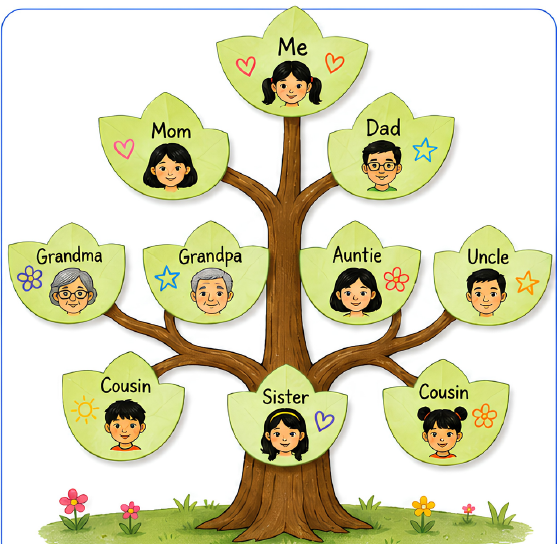
Materials needed: Large paper, paper for making leaves, pencils or markers, coloring supplies, scissors, and glue.
Explore family relationships by creating a family tree that shows the people who are important to your child and how they are connected.
Steps
- Make a list. Ask your child to tell you the names of family members.
- Talk about connections. Help your child identify how each person is related. Examples: grandparents, aunts, uncles, siblings, cousins, and more.
- Create leaves. Write each person’s name on a leaf shape. Use a template or draw your own.
- Decorate the leaves. Color the leaves and add drawings or symbols that remind your child of each person.
- Build the family tree. Glue the leaves onto a large paper. Put your child at the top, and arrange the rest of the family branching down in a way that makes sense.
Helpful Tips
- Adults can help cut leaves or spell names.
- Encourage your child to write the names.
- Every family is unique—include anyone who is special!
Talk About It
- What did you notice about your family?
- Who is connected to whom?
- What makes each family member special?
Making Flower Stamps
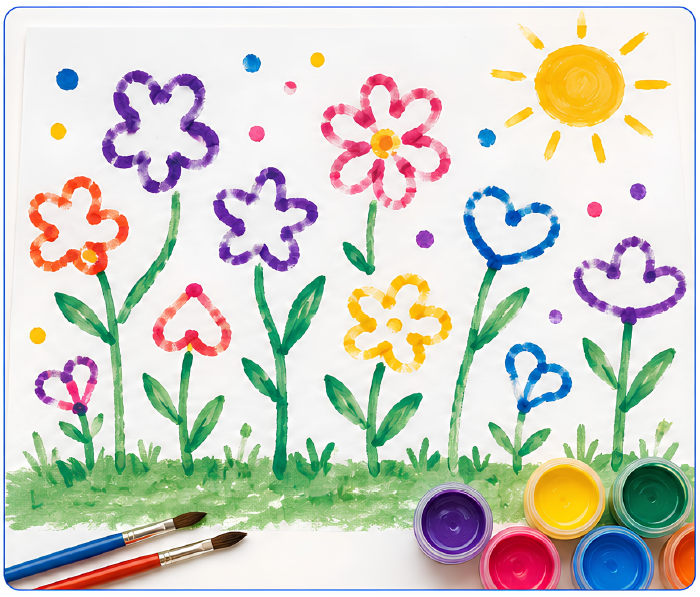
Materials needed: Pipe cleaners, paint, paper, and a paintbrush.
Use pipe cleaners and paint to make flower stamps and create a colorful flower picture.
Steps
- Make a shape. Bend a pipe cleaner into a shape. Try circles, hearts, stars, or your own idea!
- Add a handle. Attach another pipe cleaner as a handle to make a flower stamp.
- Stamp the flowers. Dip the shape in paint and press it onto paper to make flower prints.
- Add stems and leaves. Use a paintbrush to add stems and leaves to your flowers.
Art Idea: Try using different shapes and colors. You can make a whole garden!
When the paint is dry, write your name and the date on your art. Display your beautiful flower garden at home!
Get More from Literacy Bridges
Want more ideas like these? The Literacy Bridges newsletter brings research-based literacy resources straight to your inbox.