

Bridging literacy research and real classrooms
Evidence-based resources built just for you
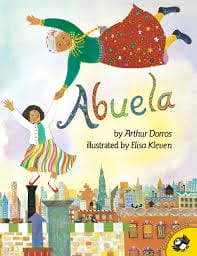
Abuela: Reading & Activity Guide
What Is the Science of Reading and Why Does Every Child Need It?
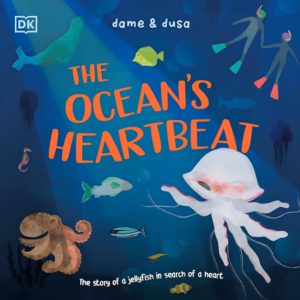
The Ocean’s Heartbeat: Reading & Activity Guide
Explore the Full Library of Educator Resources
See all the classroom resources Literacy Bridges has to offer.
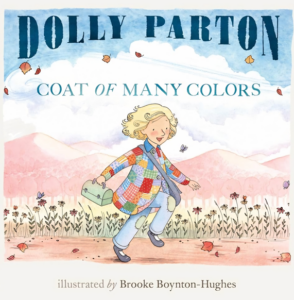
Book Bridges: Coat of Many Colors by Dolly Parton
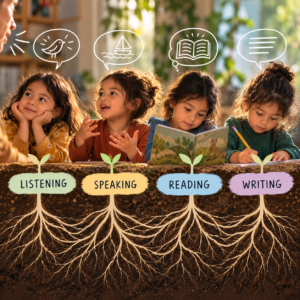
Literacy is Language
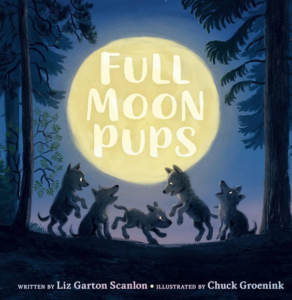
Book Bridges: Full Moon Pups by Liz Garton Scanlon
Explore the Full Library of Family Resources
See everything Literacy Bridges has to offer parents and families.

Navigating Newsletters
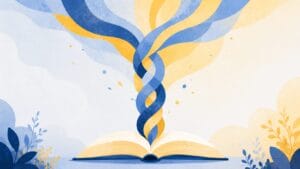
Scarborough’s Rope: Unraveling the Upper Strands of the Rope
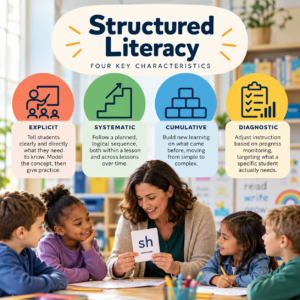
What is Structured Literacy?
Explore the Full Library of Resources for Principals, Coaches & Teacher Leaders
Explore resources to support literacy leadership at the school, district, and policy levels.
Featured Back-to-School Resources
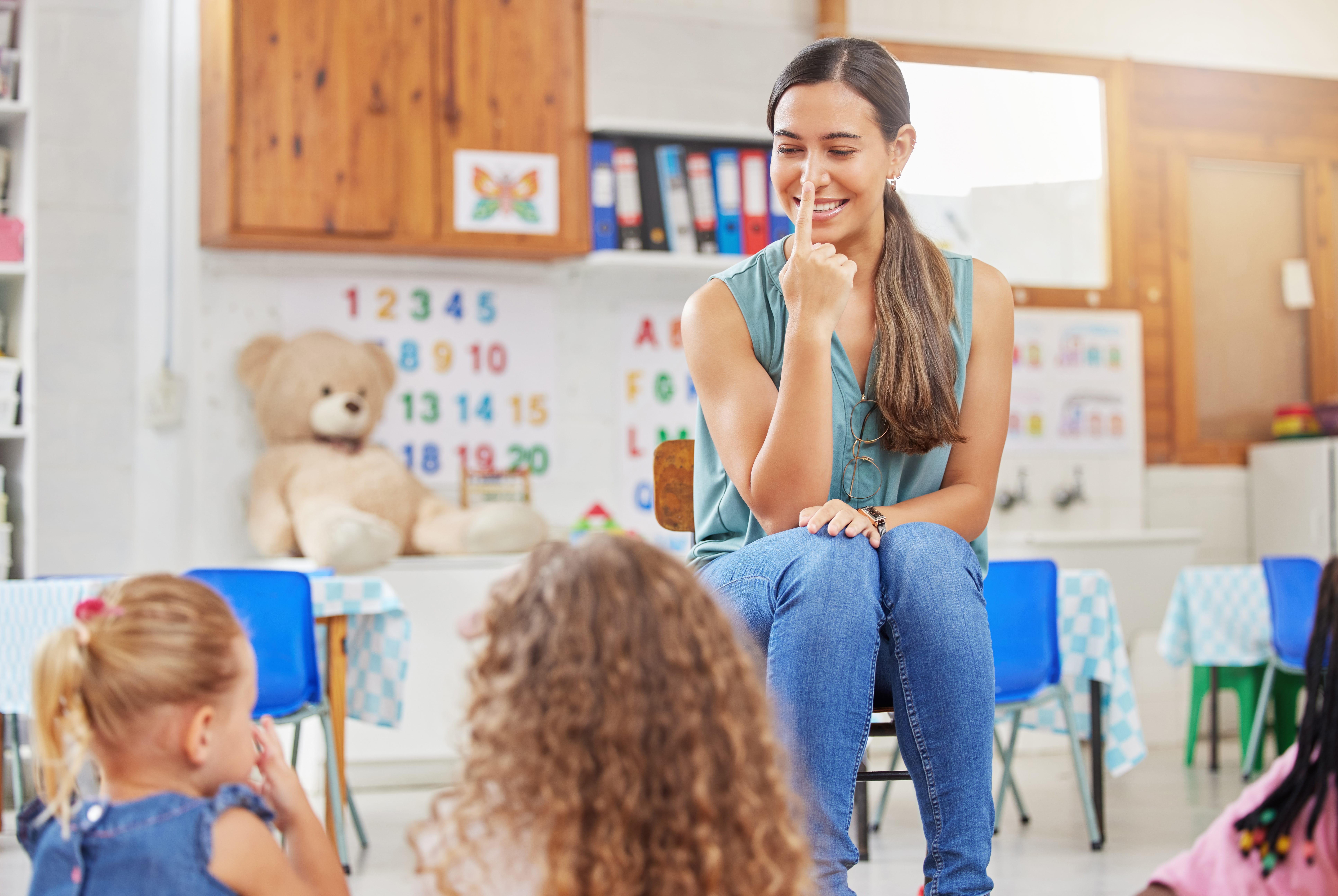
Blending & Segmenting: A Week-Long Phonics Sequence
A ready-to-teach sequence for building phonemic awareness through daily blending and segmenting practice, with printable student materials included.
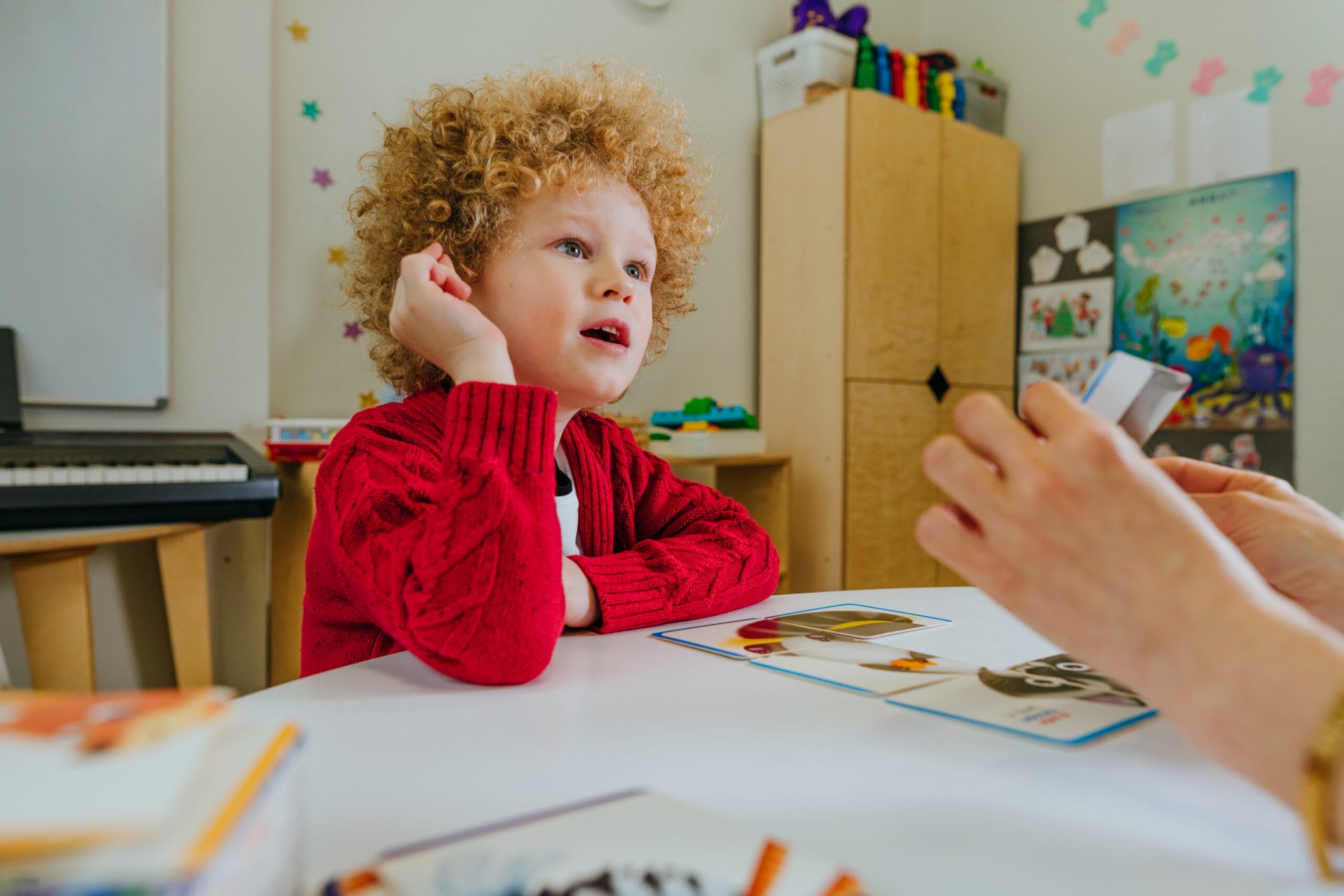
Why Decodable Texts Matter (and When They Don’t)
A quick, classroom-ready summary of what the research actually says about decodable texts, including what they’re good for, and where leveled readers still have a place.
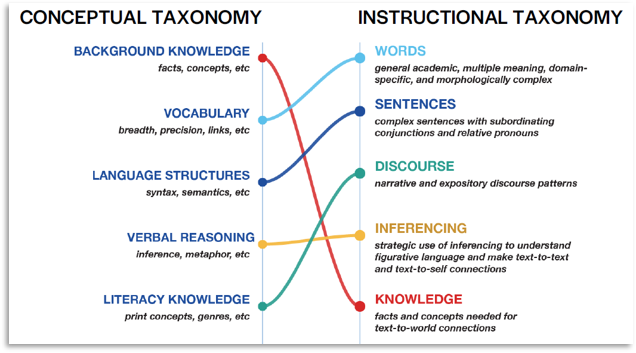
How Scarborough’s Rope Shows Up in Daily Instruction
A walkthrough of Scarborough’s Reading Rope model, with examples of how each strand shows up in daily instruction.

Leading a Science of Reading Book Study
A facilitator’s guide for running a school-wide book study, including discussion prompts and a suggested meeting cadence.

Your Literacy Questions Answered
We could also feature insights from across the site
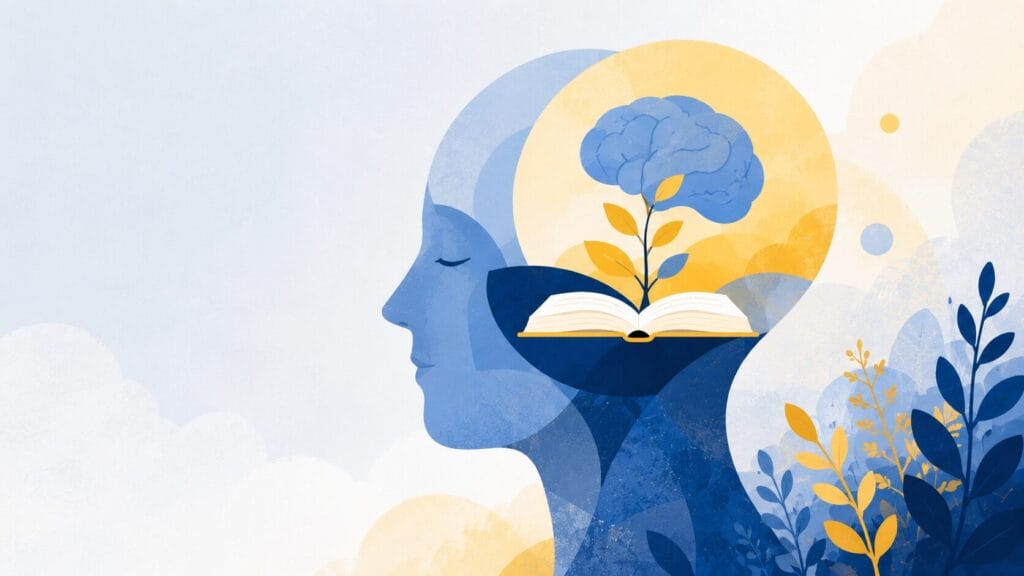
What Is the Science of Reading and Why Does Every Child Need It?
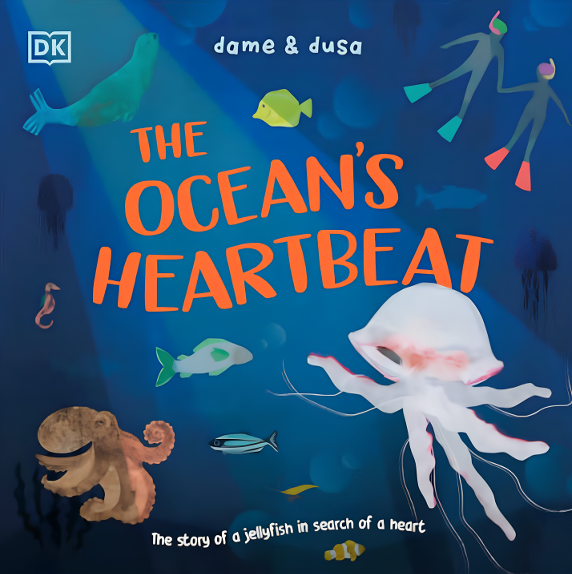
The Ocean’s Heartbeat: Reading & Activity Guide
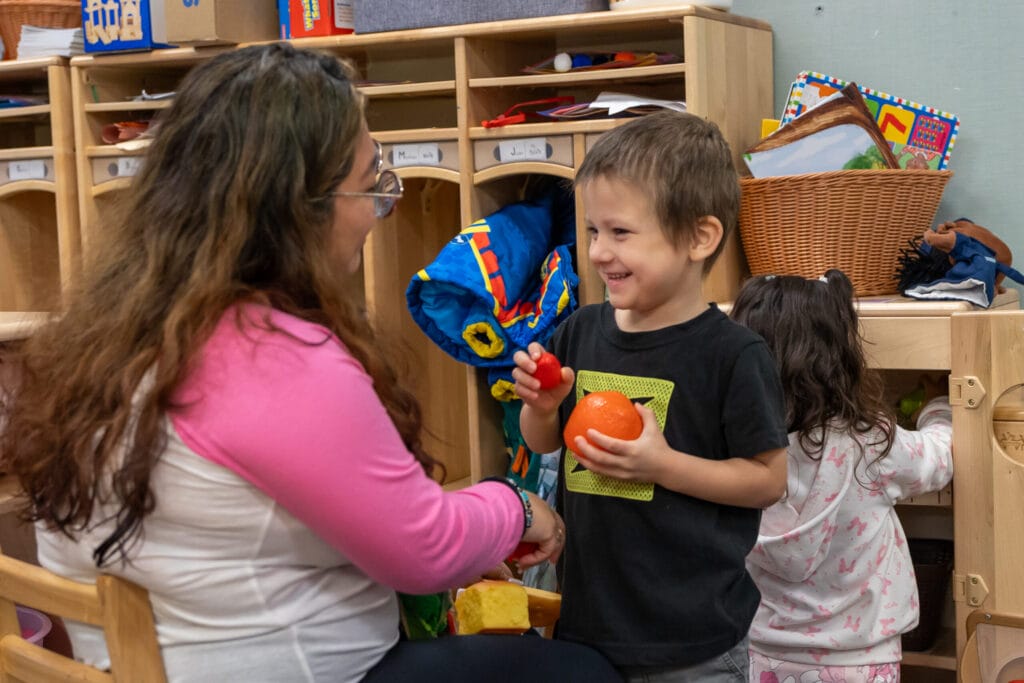
The Sciences of Learning: How Humans Really Learn — and Why Everyone Should Understand It

Why Good Research Takes So Long to Reach You — and How Research to Real World Speeds It Up
We don’t have it all figured out.
But we’re working on it, together
Literacy Bridges started with a simple observation: researchers know a lot about how kids learn to read, and teachers are the ones actually doing it. Somehow, those two groups don’t talk to each other nearly enough. So we’re trying to fix that, one resource at a time. We don’t pretend to have every answer. But we’ve got good research, teachers willing to tell us when something doesn’t work, and we keep listening to both.
Get the Literacy Champions Newsletter
Our monthly newsletter includes lots of free resources for classrooms and families.
