For families

Building a reader, one moment at a time

You don’t need special training or a trip to the store. The reading, talking, and questions already part of your day are building your child’s foundation. Here’s a few more ways to build on that.

Get the Literacy Champions newsletter

What do I ask while we read together?

Add context to your column. Help visitors understand the value they can get from your products and services.

My child mixes up letters and sounds. Is that normal?

Add context to your column. Help visitors understand the value they can get from your products and services.

How do I talk to my child’s teacher about reading?

Add context to your column. Help visitors understand the value they can get from your products and services.

We don’t have a lot of books at home. What else works?

Add context to your column. Help visitors understand the value they can get from your products and services.


Featured Resources for Families

ou don’t need a degree in reading science to help your child read well. Here are a few recent posts about what the research says and what it actually looks like at home. Hand picked with busy families in mind.
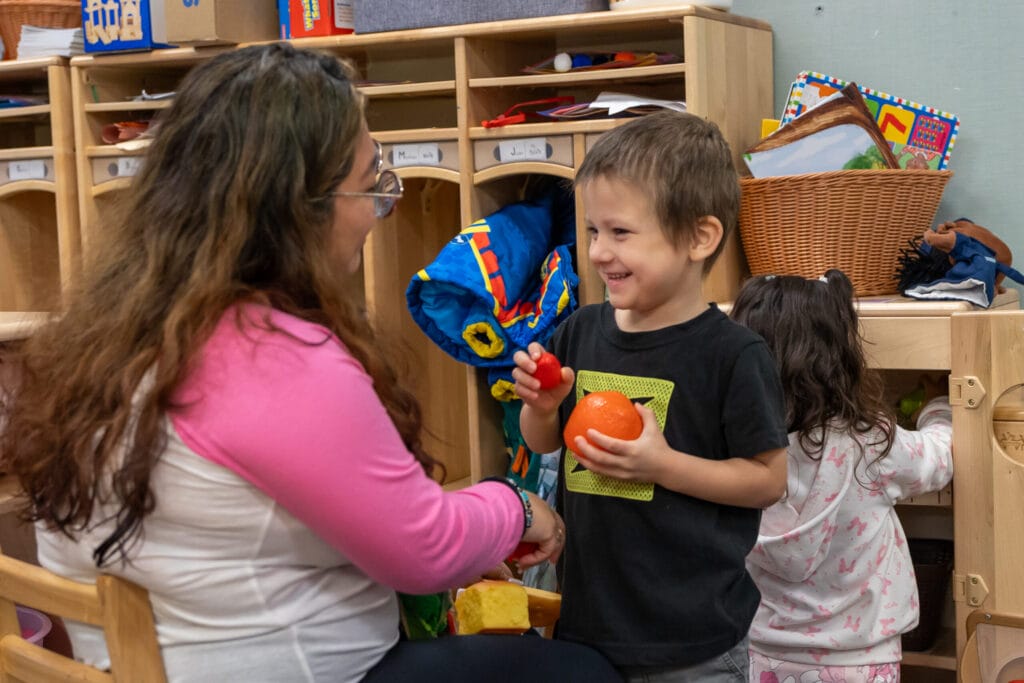

The Sciences of Learning: How Humans Really Learn — and Why Everyone Should Understand It

Book cover for Solitary Animals: Introverts of the Wild by Joshua David Stein, illustrated by Dominique Ramsey. A dark, moody illustration of a black panther with glowing amber eyes prowling through jungle foliage, lit in purple and green tones.

Solitary Animals: Reading & Activity Guide

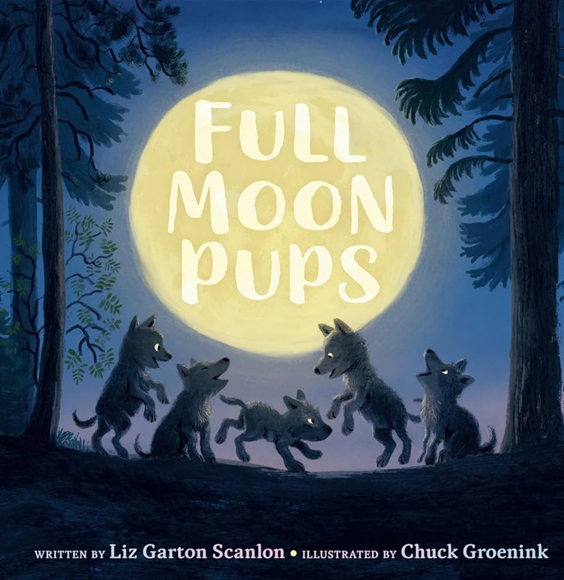
Book cover for 'Full Moon Pups' by Liz Garton Scanlon, featuring a family of wild wolf pups huddled with their mother under a massive, glowing full moon in a deep blue forest.

Full Moon Pups: Reading & Activity Guide

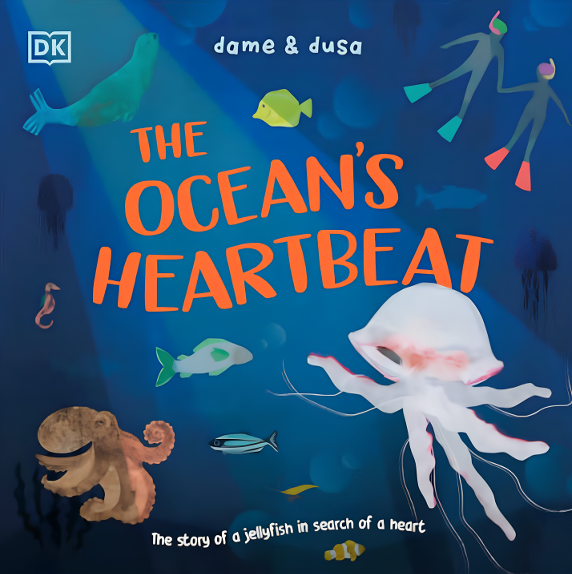
Book cover for 'The Ocean’s Heartbeat,' featuring a glowing pink and blue translucent jellyfish floating in a deep navy blue sea. Elegant silver title text sits above the creature.

The Ocean’s Heartbeat: Reading & Activity Guide

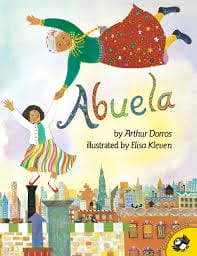
Abuela by Arthur Dorros, illustrated by Elisa Kleven. A young girl and her grandmother soar joyfully above a colorful cityscape.

Abuela: Reading & Activity Guide

Book cover for 'How We Say I Love You' by Nicole Chen, showing a smiling Asian family—a young girl, parents, and grandparents—huddled closely together inside a warm, glowing heart shape surrounded by whimsical illustrations.

How We Say I Love You: Reading & Activity Guide

Build on What You’ve Started

You’ve found something that works for your family today. Get the Literacy Champions newsletter and we’ll keep sending you simple literacy ideas to try at home, picked with busy families in mind.
Get the Literacy Champions newsletter

Questions Families Often Ask Us

By default, this panel is concealed and appears when the user clicks on the section title. Input relevant information about its title using paragraphs or bullet points. Accordions can enhance the user experience when utilized effectively. They allow users to choose what they want to read and disregard the rest. Accordions are often utilized for frequently asked questions (FAQs).

By default, this panel is concealed and appears when the user clicks on the section title. Input relevant information about its title using paragraphs or bullet points. Accordions can enhance the user experience when utilized effectively. They allow users to choose what they want to read and disregard the rest. Accordions are often utilized for frequently asked questions (FAQs).

By default, this panel is concealed and appears when the user clicks on the section title. Input relevant information about its title using paragraphs or bullet points. Accordions can enhance the user experience when utilized effectively. They allow users to choose what they want to read and disregard the rest. Accordions are often utilized for frequently asked questions (FAQs).

By default, this panel is concealed and appears when the user clicks on the section title. Input relevant information about its title using paragraphs or bullet points. Accordions can enhance the user experience when utilized effectively. They allow users to choose what they want to read and disregard the rest. Accordions are often utilized for frequently asked questions (FAQs).

Some other CTA Goes Here

Just as a child’s earliest conversations lay the groundwork for everything they’ll read later, this conversation is where a partnership with Literacy Bridges begins. Tell us about your district, and we’ll tell you plainly whether and how we can help.

Get in touch